 The latest developments underscore a regional widening of the ongoing conflict between Iran, the United States, Israel, and their respective allies.
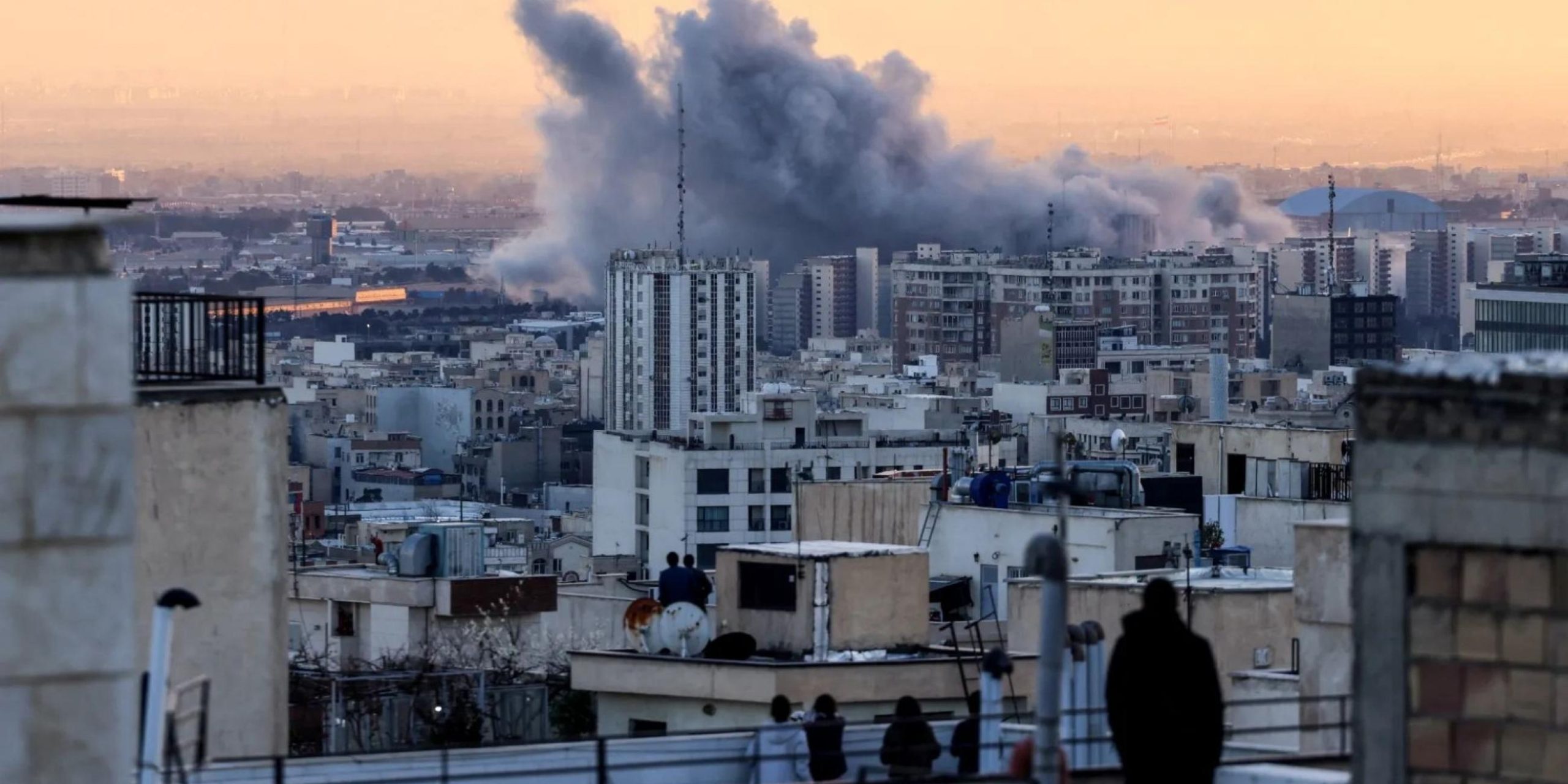
At least five people have been reported killed in Israeli strikes across Iran’s central Isfahan province, while explosions and intensified military action have been reported in northern Iraq.
The latest developments underscore a regional widening of the ongoing conflict between Iran, the United States, Israel, and their respective allies.
The attacks occurred early Wednesday in multiple cities across Isfahan province, including Najafabad, Fereydan, Mobarakeh, Aran va Bidgol, Kashan, and Shahreza, according to Al Jazeera.
The strikes damaged at least 15 residential buildings and left several civilians dead, local outlets said.
While official independent confirmation of casualty figures is limited in the fog of war, Iranian sources reportedly cited multiple deaths in what has rapidly become a focal point of military engagement.
The reports come amid wider joint Israeli-US military operations targeting Iranian strategic and security infrastructure across the country.
Iran’s Isfahan province has become strategically significant in the broader conflict, with explosions also reported in the region by semi-official agencies, indicating sustained aerial and missile operations by Israel and its partners.
In Iraq’s Kurdistan region, officials reported explosions late Tuesday night in the city of Sulaimaniyah, where a building formerly used by the United Nations was struck.
Local Kurdish authorities said it remains unclear whether the impact was caused by a drone or a missile, but acknowledged Iranian sources suspect the structure may have housed US military personnel.
Neither an official confirmation of the cause nor independent verification was immediately available.
In addition, Iranian-aligned opposition party offices in the Kurdish region have been hit repeatedly by Iranian drones, according to regional officials.
The strikes appear to target groups Tehran alleged are backed by the United States and Mossad, though independent confirmation of their roles remains murky.
Iraqi Kurdish authorities have previously reported that such attacks have heightened tensions and put civilians at risk.
The escalation in northern Iraq coincides with claims by the Islamic Resistance, a pro-Iranian umbrella group of armed militias inside Iraq, that it has launched drone attacks on US military sites, including Victory Base Complex near Baghdad International Airport.
Reports indicated that at least one drone was brought down near the airport, and another was intercepted, while Iraqi security forces say they have seized nine rockets and a launch platform in the Abu Ghraib area west of Baghdad.
The violence comes against a backdrop of intensifying regional conflict in the joint Israeli-U.S. strikes on Iran that have reverberated across the Middle East region.
Tehran has denounced the attacks as violations of its sovereignty and vowed to continue its military response.
Meanwhile, international efforts at diplomacy, including the United Nations’ condemnation of escalating hostilities, have struggled to contain the conflict.
Iranian officials have also reiterated that the Islamic Republic will not engage in negotiations with the United States, citing a profound lack of trust and a determination to pursue its strategic objectives “as long as we want,” according to a senior Iranian aide.
This further underlines the entrenched position of Tehran in the face of Western-aligned military pressure.
As the war enters a new phase with frontline shifts in both Iran and Iraq, the scope for broader confrontation involving additional state and non-state actors in the region appears to be growing, creating deepening concerns among international security analysts about spillover effects beyond the immediate battle zones.
sahara reporters