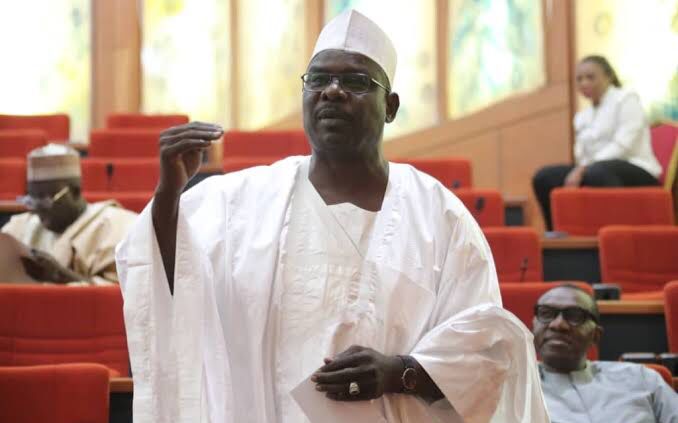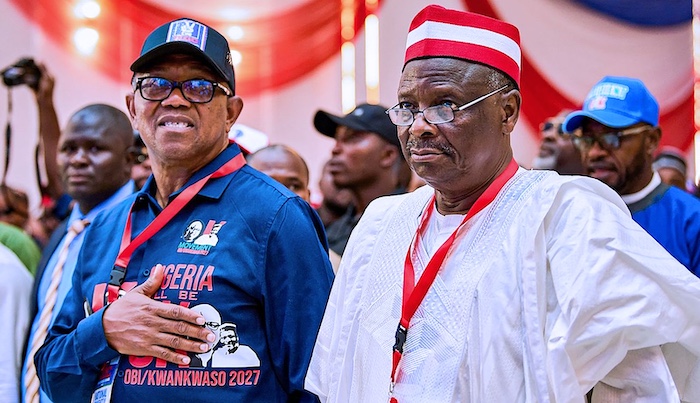
Former Kano State Governor, and former defence minister, and the leader of the Kwankwasiyya movement, Senator Rabiu Musa Kwankwaso, has defended the Nigerian Democratic Congress’ (NDC) decision to zone its 2027 presidential ticket to the South, describing the move as necessary to restore political balance and eliminate confusion surrounding Nigeria’s power rotation arrangement.
“From our own end, we believe the best way to go now is to take it to the South so that we can eliminate the confusion. The confusion that emanated from the death of our brother, our friend, Umar Musa Yar’Adua. That actually introduced the confusion into the system,” he said.
Speaking during an exclusive interview with ARISE NEWS on Monday, the former Kano state governor said northern members of the party accepted the decision in the interest of unity, stability, and strengthening the opposition ahead of the next general election.
“We looked at the situation on the ground in this country, and we decided to take some major decisions, including what you just mentioned, that is zoning the presidency to the south for four years, and of course, after that, the presidency will rotate to the north. We are very happy that we are loyal party members. Therefore, almost all of us joining from the North, we accepted,” he shared.
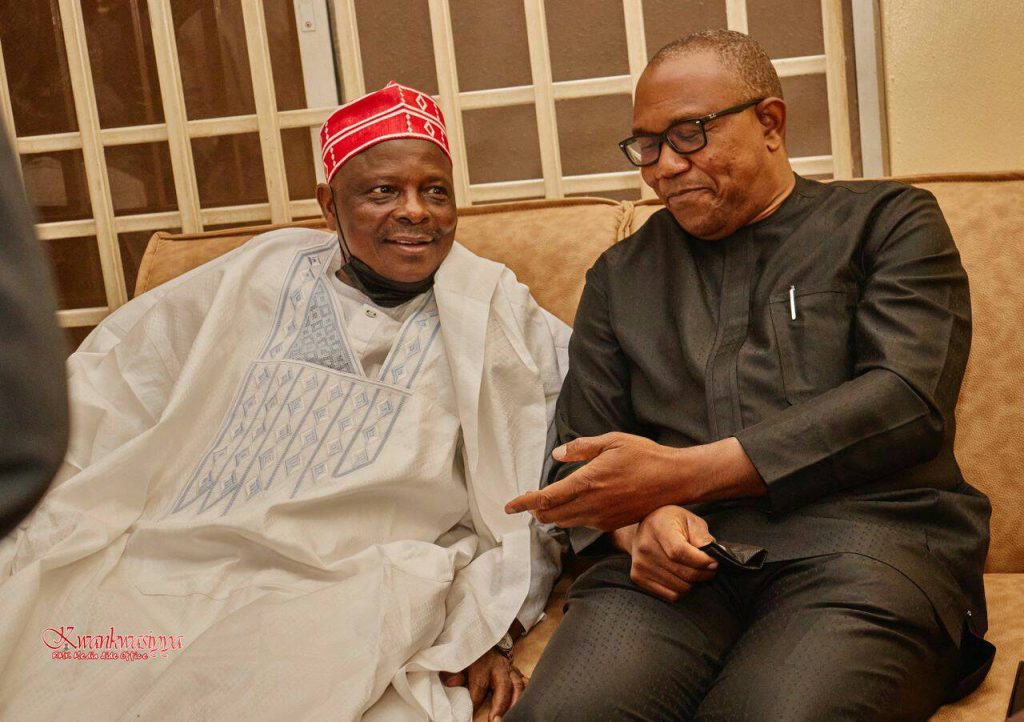
Kwankwaso also suggested that an Obi-led presidential ticket is now the most likely outcome following the NDC’s decision to zone the presidency to the South, and added that party members had accepted the zoning arrangement and were committed to respecting the party’s position.
“That is how it should be. But we are, like I told you, a party, loyal party members. Of course, party is supreme. When it took decision to do this zoning, we all accepted and we are working on it. Now, the likely chances are what you exactly said and I’m sure Nigerians will be happy about it.”
Addressing concerns from his northern supporters, Kwankwaso argued that many Nigerians are no longer focused on ethnicity, religion, or regional identity, but on competence and leadership capacity. According to him, worsening economic hardship, insecurity, and infrastructural decline have pushed citizens to prioritise leaders capable of delivering meaningful reforms.
By Arise