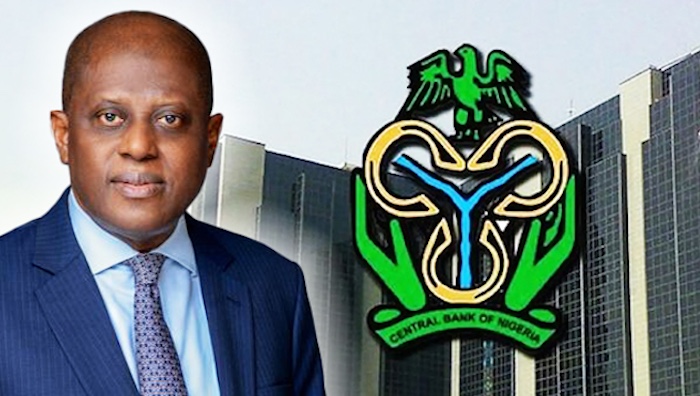
The Central Bank of Nigeria (CBN) has disclosed that 32 deposit money banks have met the new minimum capital requirements ahead of the March 31, 2026 deadline.
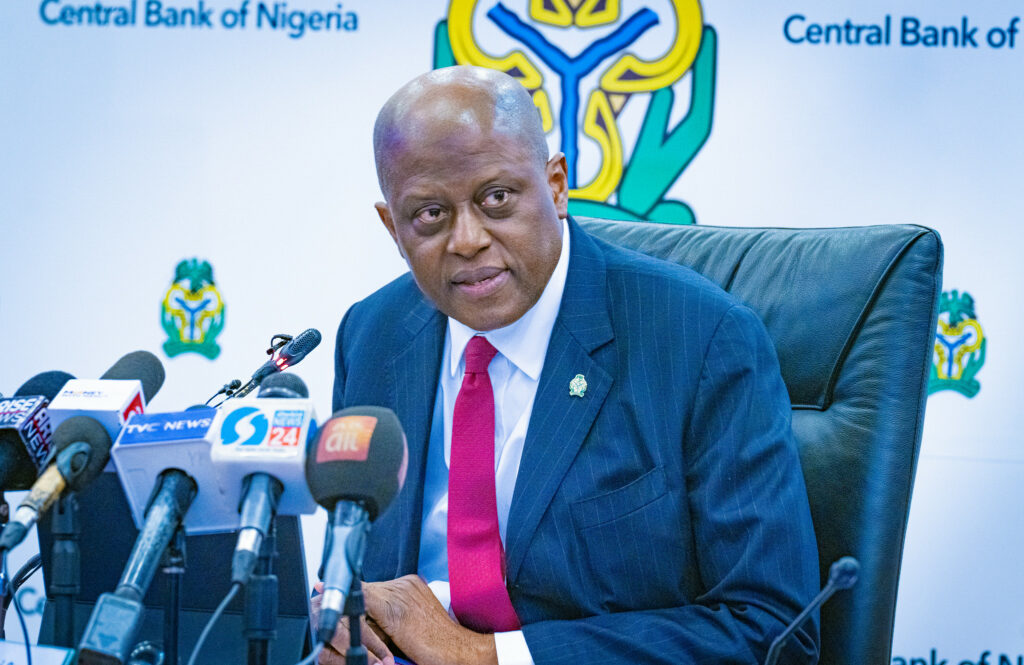
Governor of the apex bank, Olayemi Cardoso, made the disclosure on Thursday at the 2026 Monetary Policy Forum in Abuja, where he also declared that the most difficult phase of Nigeria’s economic reform programme is now over.
Cardoso said the banking sector recapitalisation programme has recorded commendable progress, noting that the early compliance by a significant number of banks reflects growing confidence in the reform agenda and positions the sector to support productive investments.
He explained that the new capital thresholds are designed to enhance banks’ capacity to mobilise long-term funds, absorb shocks, and play a more effective role in financing Nigeria’s ambition of building a $1 trillion economy.
The CBN governor further noted that the recapitalisation exercise is part of a broader set of reforms introduced to restore macroeconomic stability after years of structural imbalances and policy distortions.
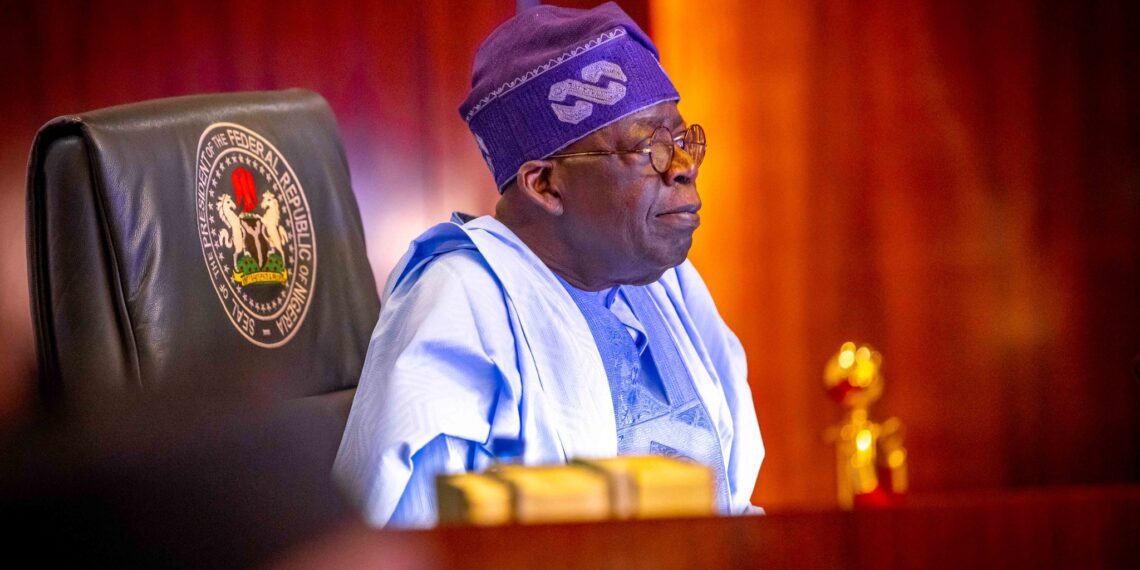
According to him, when the current administration took office in 2023, the economy faced elevated risks, including soaring inflation, foreign exchange shortages, weak reserves, and excessive reliance on monetary financing.
He said the apex bank responded with bold and coordinated measures, including tightening monetary policy, restructuring the foreign exchange market, and restoring discipline in monetary-fiscal operations.
He added that the reforms have begun to yield tangible results, with headline inflation declining significantly to 15.06 per cent in February 2026 from a peak of 34.8 per cent in December 2024.
Cardoso also highlighted improvements in the foreign exchange market, including the clearance of over $7 billion in backlogs, increased liquidity, and a narrowing of the gap between official and parallel market rates to below two per cent.
Nigeria’s external reserves, he said, have strengthened to $50.12 billion, the highest level in over a decade, while net reserves have recorded a sharp increase, reflecting improved external buffers and stronger confidence in the economy.
He further noted that international rating agencies have acknowledged the impact of the reforms, with upgrades to Nigeria’s sovereign ratings, alongside the country’s exit from the Financial Action Task Force (FATF) grey list.
Despite the gains, the CBN governor stressed that the next phase of policy would focus on consolidation, including anchoring inflation to single-digit levels, sustaining exchange rate stability, and deepening financial market development.
The sun